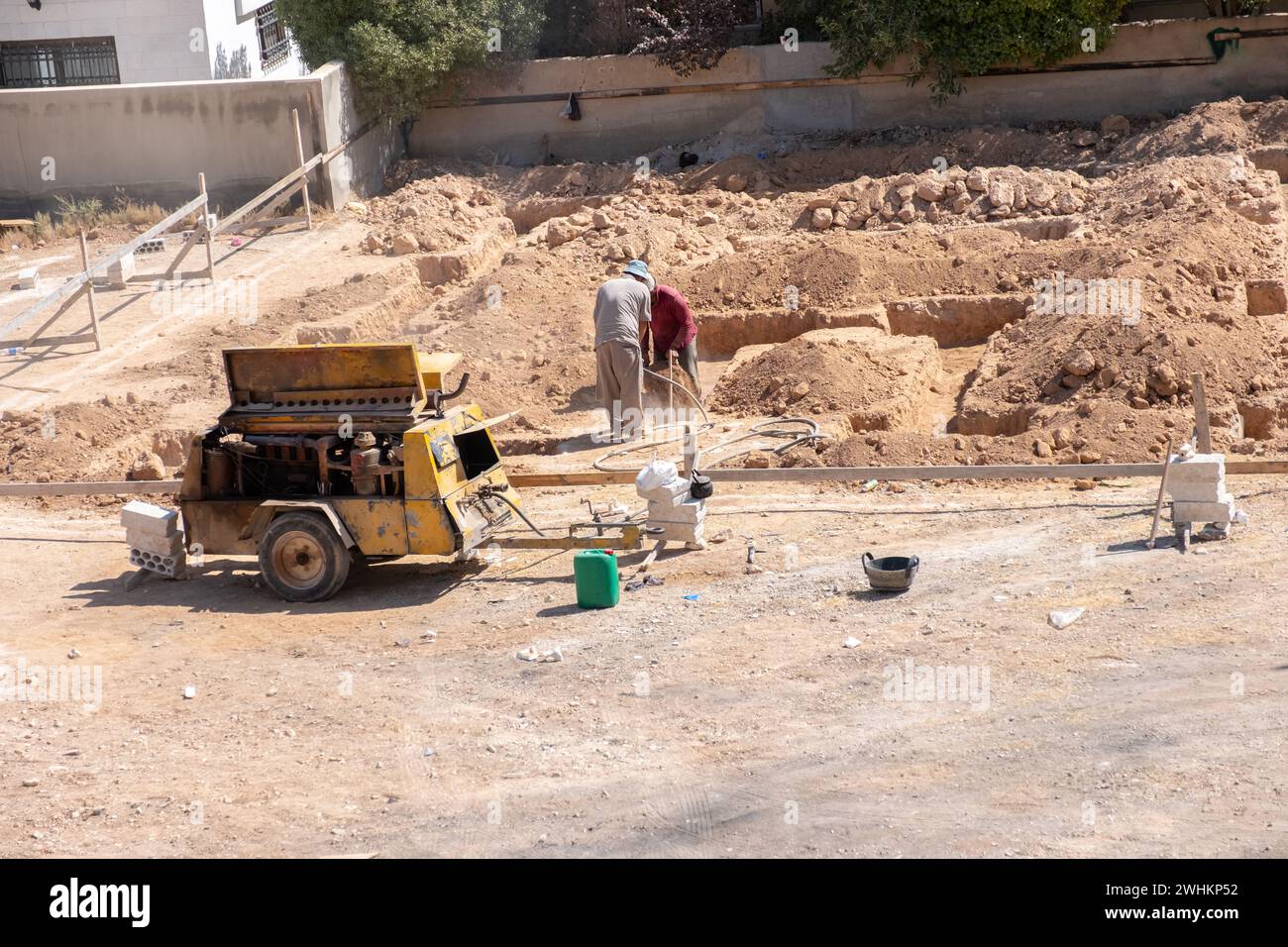
Within this ever-evolving landscape of construction and development, a role of excavation services in Ontario is crucial. As this groundwork for any building project, excavation not only lays the stage for structural integrity but also impacts all aspects from drainage to compliance with local regulations. Regardless of whether Excavating Contractors 're a homeowner planning a new build, a contractor managing a commercial project, or a farmer looking to optimize land use, grasping the nuances of excavation is essential.
With a variety of elements at play—from frost line depths and soil types to permitting requirements and environmental regulations—navigating this field can be daunting. This comprehensive guide aims to discover the top digging services in Ontario and provide valuable insights into key aspects of the process, ensuring your next project is not only secure and effective.
Comprehending Digging Rules and Protection within Ontario
Within the province of Ontario, excavation activities are governed by a extensive collection of rules designed to guarantee the protection of employees as well as the community. The Ministry of Labour oversees workplace protection as well as has established standards that excavation contractors must follow. This comprises the adoption of protection measures, such as proper support techniques and excavation protection guidelines, to avoid cave-ins and incidents. Complying to these rules is essential for any excavation project, as failure to comply can result in severe consequences as well as endanger the safety of everyone concerned.
An additional vital aspect of excavation safety is the necessity to safeguard underground utilities. Before any digging starts, contractors must utilize the One Call service in Ontario program. This service alerts utility companies of upcoming excavation projects, making sure that essential underground infrastructure is identified and safeguarded. By adhering to this procedure, you minimize the chance of damaging essential services, which can lead to utility outages, costly fixes, and possibly dangerous circumstances.
In addition to worker protection and infrastructure protection, contractors must also be mindful of ecological regulations that affect excavation operations. This entails ensuring adequate soil erosion as well as soil control to meet the standards set by local conservation authorities. Knowing how to manage surplus soil in conformity with Ontario’s rules is also important, particularly with legislation like O. Reg. 406/19, which dictate how to manage and move surplus material. By paying attention to these rules, contractors can not only ensure the safety of their projects but also benefit to the environment.
Crucial Readiness for Effective Digging Projects
Thorough organization is fundamental for the prosperity of any earthmoving operation. Prior to the shovel even makes contact with the earth, carrying out in-depth assessments to analyze location factors assists recognize likely issues. This includes evaluating earth quality, water systems, and transportation routes. It's also vital to analyze all current plans to achieve understanding into site limits and features that could influence digging efforts.
Engaging with municipal authorities and securing the necessary licenses is another critical process. Regulations, such as Ontario's Surplus Soil Management Rules, require adherence before earthmoving can start. Securing approvals from environmental authorities confirms that project parameters correspond with environmental requirements, which is critical for ethical location management. Additionally, notifying regional services through Ontario One Call is essential to steer clear of compromising buried utilities.
Ultimately, site setup must include safety protocols for workers and the ecosystem. This involves establishing a detailed location preparation that incorporates aspects such as erosion control, protecting vegetation protection zones, and planning for large machinery operation. Establishing clear health protocols helps make certain that every staff workers are aware of potential dangers and are ready to address the environment securely, ultimately contributing to a successful digging process.
Addressing Excavation Difficulties in the unique Varied Territory
The multiple topography presents distinct difficulties for earthmoving contractors. From the rough northern regions to the open expanses of farming land, each area requires specific strategies to deal with particular geological and climatic conditions. Contractors must be well-versed in the frost line measurements to ensure correct foundation excavation, which is vital in preventing structural concerns from ground heave. Familiarity of local earth types, including heavy clay often found in the Greater Toronto Area, plays a key role in planning and executing successful projects.
Another significant aspect of excavation in Ontario is following the regulations set forth by the Ministry of Labour regarding trenching safety and shoring. Excavation projects must be adhering with safety standards to protect workers and adjacent environments. With urban excavation, challenges such as tight access and the need for underpinning also require careful planning. This includes engaging in site preparation guides that ensure all potential hazards are addressed before any work starts.
The environmental aspects in Ontario also require contractors to navigate excess soil management regulations and protect wooded zones during excavation. Understanding local conservation authority standards for erosion and sediment control is essential in maintaining compliance and avoiding penalties. As Excavation Companies strive to weigh efficient excavation practices with environmental stewardship, they must also remain adaptable and attentive to the varying conditions that Ontario's unique landscape presents.