

When it comes to construction projects in Ontario, excavation work are a key component that can make or break the outcome of your build. Whether you're preparing a location for a new home, undertaking commercial developments, or managing land for agricultural use, comprehending the details of excavation is vital. From frost line depths that impact foundation excavation to necessary permits and regulations that must be navigated, the world of Ontario excavation contractors holds a abundance of knowledge for property owners and developers alike.
In this comprehensive guide, we aim to examine various aspects of excavation in Ontario, covering topics that range from the essential site preparation checklist for new home builds to the complexities of dealing with heavy clay soil in the Greater Toronto Area. By exploring critical safety regulations, digging techniques, and optimal equipment choices, this article aims to arm you with all the information you need to navigate the obstacles of excavation projects successfully. Join us as we uncover the best practices and key considerations that will enhance your excavation experience, ensuring that your project is not only effective but also compliant with Ontario's distinct landscape and regulatory environment.
Digging Fundamentals: Regulations and Safety
Excavation work in the province of Ontario is governed by a variety of regulations aimed at ensuring safety and environmental safety. Contractors must follow the Ontario Ministry of Labour regulations, which outline standards for trenching safety and support systems. These regulations require that excavation sites be thoroughly evaluated for risks, and safety measures must be established to protect workers from collapses and machinery incidents. Grasping these rules is essential for any excavation project, as failure to comply can result in serious penalties and worker injuries.
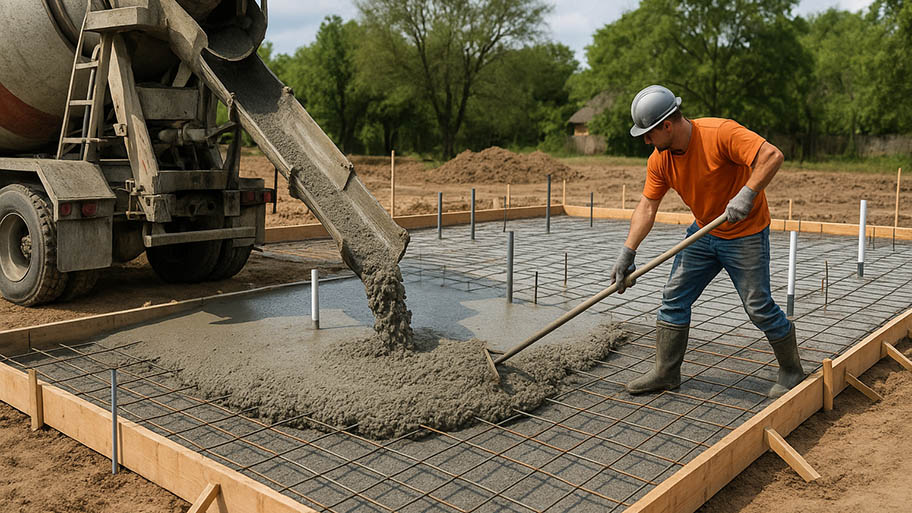
In addition to the ministry's guidelines, excavation contractors must also contend with local ordinances and regional requirements specific to the area they operate in. These rules often dictate the permits required that must be obtained before digging can begin. This includes securing consent from environmental agencies when excavating near sensitive ecological zones, ensuring that projects are compliant with local erosion and sediment control standards. A comprehensive understanding of these bureaucratic steps is essential to avoid delays and ensure the project proceeds without issues.
Safety measures also extend beyond regulatory compliance to include effective methods in the field. Excavation crews should hold frequent safety meetings, use personal protective equipment, and ensure all team members are trained in emergency response procedures. The potential dangers of excavation work, including contact with hazardous materials or underground utilities, necessitate a proactive safety culture. By emphasizing safety and regulatory adherence, excavation contractors can protect their workers and clients alike, building a reputation for dependability and professionalism within the industry.
Cost Factors and Site Readiness for Dirt Removal
Excavation costs in Ontario can vary significantly depending on various factors. The primary aspects influencing these costs include site location, soil conditions, depth of excavation, and necessary machinery. For example, an city site may pose difficulties such as restricted entry and the requirement of specialized equipment, leading to higher expenses. Similarly, Commercial Excavation of soil, from dense clay to more sandy substances, can influence the excavation process and the needed equipment, thus affecting overall costs.
Site preparation is a critical phase in securing a effective excavation project. An important checklist should cover items like land clearing, grading, and addressing drainage issues. Excavation Contractor need to assess the site for any potential hindrances, including underground utilities, existing trees that must remain, and wet areas that may complicate the excavation process. Effective site preparation not only helps to prevent delays but also minimizes the risk of unexpected costs arising from necessary rework or remediation.
When thinking about excavation for a project, it is also important to consider local laws and permitting processes. In Ontario, ensuring compliance with the provincial labour ministry and local environmental agencies can affect timelines and costs. Securing the proper permits upfront and understanding regulations related to soil handling and environmental safeguarding can streamline the excavation process and avoid expensive fines or modifications later on.
Best Practices for Targeted Excavation Methods
When engaging in targeted excavation projects, it is essential to utilize strategies that are adapted to the specific challenges of the site. For example, hydro excavation is becoming favored due to its security and effectiveness in revealing buried utilities. This approach uses high-pressure water and vacuum systems to extract soil without harming existing infrastructure. Contractors should confirm they are proficient in the operation of hydro excavation equipment and follow all safety guidelines while performing such tasks.
Another vital aspect to note is handling soil types, particularly in areas with heavy clay or high water tables. These conditions necessitate specific approaches, such as utilizing dewatering techniques to manage excess water during excavation. For tasks across Southern Ontario, understanding the regional soil conditions and applying effective soil management strategies will boost the stability and safety of the excavation site. Proper soil compaction testing should be consistently conducted to ensure that the base stability satisfies the requirements for construction.
Finally, integrating environmental stewardship into specialized excavation projects can result in more durable outcomes. This involves adhering to regulations surrounding excess soil management and ensuring erosion and sediment control measures are in place. Contractors should also concentrate on protecting tree protection zones and additional sensitive environments during the excavation process. By prioritizing these best practices, excavation professionals can contribute to safer, greater efficiency, and environmentally responsible projects in Ontario.