Excavation specialists play a crucial role in the building industry in Ontario, serving as the foundation for numerous projects, from private home projects to major business constructions. Grasping the complexities of excavation is essential, particularly in a region characterized by its specific geological and climatic conditions. As land is prepared for construction, contractors must manage multiple challenges, including soil types, frost line depths, and the need of adhering to local regulations and safety standards.
In this article, we will examine the diverse responsibilities of excavation contractors in Ontario, providing a complete guide that covers everything from key site preparation checklists to the details of winter excavation and the management of excess soil. By highlighting Excavating Contractors and best practices, we aim to prepare property owners and developers with the insight needed to ensure a effective excavation process while minimizing risks and unnecessary costs. Whether you are considering a new home build or tackling a commercial project, comprehending the role of excavation contractors can significantly affect the outcome of your construction efforts.
Understanding Ontario's Excavating Rules
Digging contractors in Ontario work within a structure of policies designed to guarantee protection, nature safeguarding, and compliance with city requirements. These rules can differ significantly based on site and category of work. Professionals must learn themselves with regional bylaws, provincial guidelines, and particular directions pertinent to their worksite. Understanding these guidelines is crucial to eliminate penalties and project setbacks, making it imperative for professionals to stay updated on zoning regulations, construction codes, and safety and health standards.
One of the most important factor of digging rules in Ontario involves hidden utility management. Prior to any operation activity, contractors must contact Ontario One Call, a organization that identifies and designates the presence of underground services. This procedure ensures that workers do not unintentionally hit fuel, water, or power lines, which can present serious hazard dangers and cause costly interruptions. Failure to follow with this requirement can result in severe penalties and legal liabilities.
Additionally, dealing with excess soil is another key guideline consideration. According to the Regulation O. Reg. 406/19, professionals must adhere to strict criteria for the management, conveyance, and elimination of surplus soil produced during digging. This rule is intended to lessening environmental consequences and promotes that soils are managed responsibly. Excavation workers are required to have a detailed strategy for soil management, including movement and documentation, which ensures compliance with nature agencies and supporting sustainable procedures in development.
Key Techniques in Successful Excavation Projects
Successful excavation projects hinge on a combination of efficient planning and the appropriate techniques. One key technique is precise site assessment, which entails evaluating the soil composition, underground utilities, and the layout of the land. Excavation contractors conduct detailed surveys and subsurface investigations to reveal challenges such as heavy clay soil or a significant water table. These observations enable them to devise custom strategies that lessen risks and optimize the excavation process.
Another essential technique is the use of suitable equipment. Depending on the project's size and specific requirements, contractors must choose between small excavators, full-size excavators, and skid steers. Each option has its advantages, and picking the appropriate one can significantly influence excavation efficiency and safety. Additionally, employing advanced techniques such as hydro excavation allows contractors to expose buried utilities without damaging them, which is especially vital in urban environments.
Finally, adhering to safety regulations and established practices throughout the excavation process cannot be overstated. Contractors in Ontario must navigate strict regulations set by the Ministry of Labour concerning trenching safety and shoring. Implementing Commercial Excavation , including protective barriers and correct excavation techniques, safeguards both workers and the site. By focusing on assessment, equipment selection, and rigorous safety practices, excavation contractors can ensure effective project outcomes that meet both client needs and legal standards.
Dealing with Excavation Issues in the province of Ontario
Excavation jobs in Ontario generally encounter multiple challenges that can affect schedules and financial plans. One key issue is the depth of the frost depth, which can modify digging strategies for foundation work during winter seasons. Builders must be aware about the specific depths for different regions to make sure that the foundation remains stable and that any frost-related problems are mitigated. This demands meticulous planning and compliance to regional regulations to prevent costly setbacks.
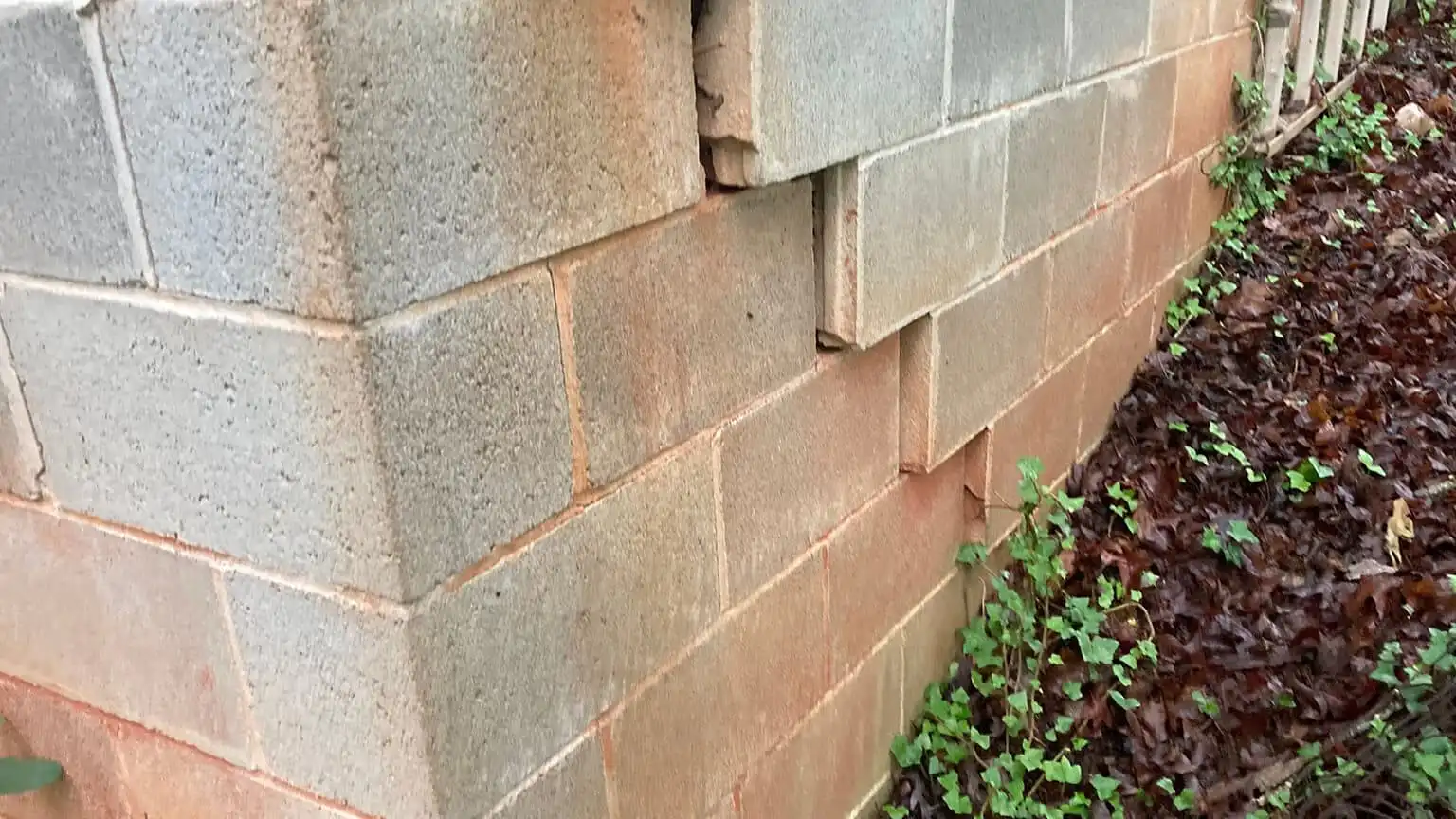
Ground factors also create challenges for digging tasks. In locations such as the GTA, thick clay soil can complicate excavation operations due to its density and stability issues. Handling such materials requires the correct equipment and methods to avoid potential issues, such as foundation cracking or issues with drainage. Contractors must utilize approaches to handle these ground conditions effectively, like testing for soil compaction and understanding how to boost base stability before laying footings.
Additionally, navigating regulatory landscapes is essential for effective digging tasks. In the province of Ontario, contractors must comply with numerous regional laws, including those concerning the management of soil and environmental protection approvals. For example, understanding the implications of the province’s rules on excess soil and securing required permits from local environmental agencies is vital to avoid legal issues and ensure environmental protection. Knowledge of these laws helps streamline the digging operation and avoids interruptions that can occur from failing to comply.