

Excavation is a crucial aspect of construction, whether it involves home, business, or agricultural projects. In Ontario, the environment is varied, with specific challenges such as deep frost lines, heavy clay soils, and exact regulations that demand expert knowledge and skill. As the demand for innovative projects continues to rise, the value of hiring expert excavation contractors becomes increasingly evident. They not only comprehend the intricacies of digging methods but also handle the complexities of local codes and location-specific circumstances.
From guaranteeing the safety of crew through appropriate trenching and supporting practices to addressing environment-related matters like soil erosion and sediment control, the duties at hand are multifaceted and challenging. The province of Ontario excavation contractors play a key role in making sure that projects are executed smoothly and fulfill all legal obligations. This article will provide an comprehensive analysis of the many aspects that impact digging in Ontario, underscoring the benefits of working with expert professionals who can provide a favorable conclusion for your development.
Key Digging Guidelines for the Province of Ontario
When embarking on an excavation endeavor in Ontario, one of the primary elements to think about is the frost line depth, which varies within the area. Understanding the local frost line is crucial for building reliability, particularly for new home builds. The detailed guide to Ontario frost line depths can help contractors determine how deep to excavate in order to prevent frost movement, maintaining the integrity of the foundation during severe cold.
Another critical aspect is following the rules set forth by Ontario One Call before digging. This service protects your excavation project by ensuring that all underground utilities are identified and designated. Not to properly consult with Ontario One Call can lead to serious delays, damages, and safety hazards, highlighting the necessity of this step in the digging process.
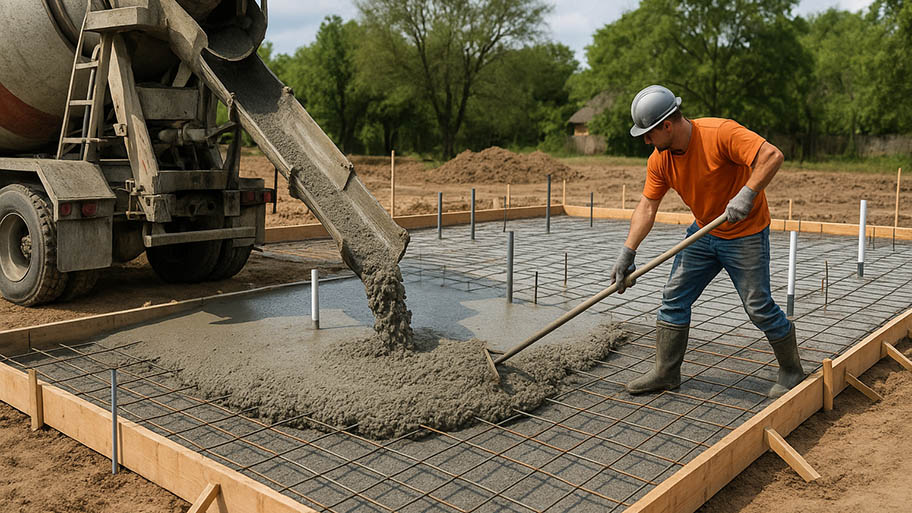
Proper preparation is crucial to a successful excavation. An adequate site preparation checklist should include assessing soil conditions, assessing drainage issues, and planning for site access. Additionally, mindfulness of the environmental considerations, such as maintaining tree protection zones, helps to responsible excavation practices. By adopting these recommendations, contractors can lessen risks and streamline the excavation process.
Security and Compliance in Digging Projects
Ensuring security and adherence is paramount in every excavation operation across the province. The Ministry of Labour has established stringent guidelines to safeguard employees and the ecosystem. Digging companies must be well-versed in these regulations, which govern everything from trenching safety to tools utilization and worksite oversight practices. By following these guidelines, contractors not only safeguard their workforce but also reduce lawsuit-related liabilities and operation delays.
Additionally, adequate planning is crucial to meet security standards. This includes performing thorough location assessments, implementing effective support methods, and making sure that all employees are provided with the required personal protective equipment. Regular security education courses can assist keep teams informed about the latest practices and possible hazards, creating a environment of security at the job site. Excavation Services extends to managing potentially hazardous materials, which may be present in the ground or nearby, requiring suitable actions for their management.
Finally, excavation projects must take into account environmental adherence. This involves knowing local conservation authority rules and managing issues such as erosion and silt control. Ignoring these requirements can lead to severe penalties and major project setbacks. Contractors should also maintain honest communication with local authorities to obtain licenses and approvals before commencing work, ensuring that every aspect of the digging conform with both safety and eco-friendly standards.
Expense Considerations and Best Practices in Excavation
Comprehending the costs connected to excavation in Ontario is vital for both business and home projects. Key elements that affect these costs include site characteristics, soil characteristics, and size of the project. For example, heavy clay soil, common in the GTA, may require specialized equipment and approaches, thereby adding to expenses. Additionally, projects located in city zones might involve increased costs due to access issues and the need for increased safety measures.
To secure a successful and efficient excavation project, following best practices is essential. This includes carrying out detailed site assessments to shape your site preparation checklist and being aware of the neighborhood laws regarding permits and safety standards. Using Ontario One Call can protect your excavation by ensuring that utilities are identified before digging, helping to avoid costly mistakes. Furthermore, Excavation Services with skilled contractors who are well-versed in the nuances of Ontario’s frost line depths and climatic issues can significantly impact the quality and efficiency of the excavation.
Ultimately, planning for unexpected issues—such as the need for additional shoring in compliance with Ontario Ministry of Labour regulations or dealing with unanticipated soil issues—can stop project delays and financial overruns. Investing time in proper planning and meetings with top contractors can lead to more efficient processes, better excavation pricing, and ultimately, a strong groundwork for your construction project.